Professional Fence Installation & Replacement: Request a Free Quote Today
Thorough fencing installation and replacement solutions provide substantial advantages for homeowners. These upgrades can elevate aesthetics, privacy, and security. Understanding the different factors and materials involved is crucial before committing to a choice. Furthermore, evaluating individual needs guarantees a personalized solution. For property owners exploring this option, requesting a complimentary estimate can provide clarity on costs. Nevertheless, one must also contemplate the ongoing upkeep and care needed for a effective installation. What comes next?
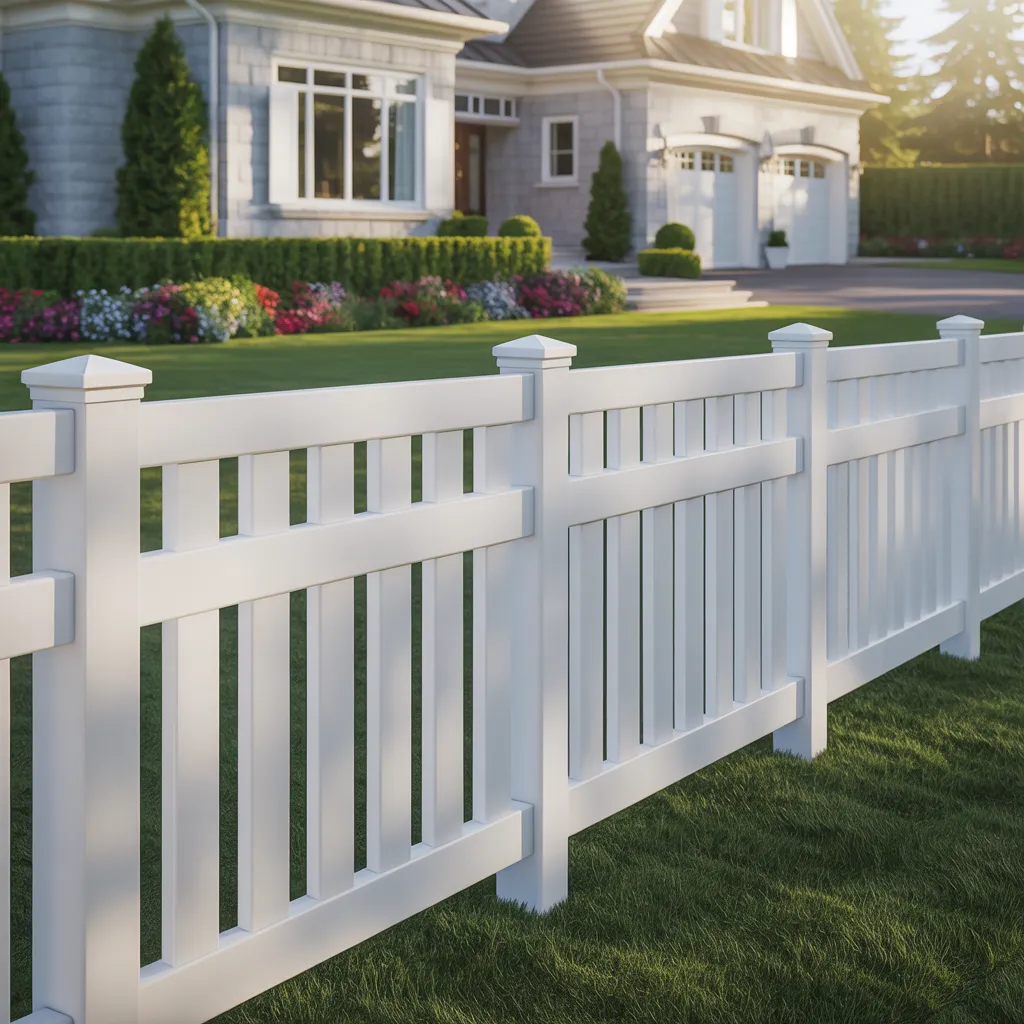
The Advantages of Fence Installation for Your Property
Fence installation presents a variety of advantages that can elevate any property. A properly built fence delivers vital privacy, establishing a private retreat for relaxation or family events. It also serves as a barrier, enhancing security by deterring unwanted visitors and keeping children and pets safely contained. Furthermore, fences can significantly enhance a property's visual appeal, increasing value and street appeal through a range of styles and materials.
Moreover, a fence can define property lines, reducing disagreements with neighboring residents and confirming property ownership. Particular fence styles can also fulfill practical roles, such as protection from wind or reduction of noise, contributing to a more comfortable outdoor environment. Moreover, erecting a fence can support conformity with local regulations regarding land boundaries and safety standards. Overall, the value of erecting a fence extend beyond mere aesthetics, enhancing security, seclusion, and home value in a myriad of ways that make it a wise investment for homeowners.
Important Factors to Consider Before Replacing Your Fence
Replacing a fence can be a significant decision for property owners, requiring careful consideration of a number of important factors. Initially, the condition of the existing fence must be assessed; determining whether it is truly beyond repair or simply in need of maintenance can affect the decision to replace. Next, homeowners should consider local regulations and zoning laws, as these can determine fence design, dimensions, and location. Budget constraints are also vital; being aware of the costs involved can assist in choosing suitable materials and styles. Additionally, considering the purpose of the fence—whether for privacy, security, or aesthetics—will inform the choice of style and materials. Finally, homeowners should consider the ongoing upkeep demands of different fencing options to ensure sustainability. By considering these factors, homeowners can arrive at thoughtful choices that meet their requirements and improve their property.
Comparing Fence Materials: Which Is Right for You?
When selecting the ideal fencing material, what factors should homeowners consider? Durability is essential; materials like vinyl and metal frequently outlast wood, delivering long-term benefits. Aesthetic appeal also plays a significant role, as different materials offer various styles to complement the property's architecture. Maintenance needs vary significantly: wood fences often require routine staining or painting, while vinyl and metal typically require minimal upkeep.
Expense is also a key factor to consider. While upfront costs for wood might be lower, the long-term costs associated with maintenance can add up. Additionally, your local weather conditions can affect your selection of materials; for example, specially treated lumber may be essential in high-humidity environments to avoid decay.
Ultimately, property owners should evaluate local regulations and neighborhood standards, as these often determine permitted materials and design styles. By weighing these factors, homeowners can make informed decisions that fulfill their needs and elevate their property's appeal.
How to Install Your Fence: Step by Step
In the process of installing a fence, possessing the proper tools is key to a successful outcome. This section covers the required tools and offers a detailed, step-by-step walkthrough of the installation process. By following these instructions, homeowners can achieve a successful and sturdy fence installation.
Equipment You'll Require
Before starting a fence installation project, possessing the correct tools is essential for ensuring a seamless process. A post hole digger is essential for creating the necessary spaces for fence posts. A level ensures posts remain upright, while a tape measure assists with precise spacing. A hammer or nail gun is required for fastening panels, and a saw, whether manual or power-operated, assists in cutting materials to the correct dimensions. Furthermore, a string line can help preserve a consistent alignment during the installation process. To ensure safety, gloves and safety glasses should be worn. Having these tools ready will streamline the installation, making the project more efficient and less prone to errors. Thorough preparation is essential to ensuring a properly installed fence.
Installation Process Steps
Beginning a fence installation demands thorough planning and precise execution. Initially, the area should be carefully measured and marked, confirming compliance with local codes. Subsequently, posts are anchored in concrete, arranged according to the fence type, usually placed 6 to 8 feet apart. Once the posts are secure, the horizontal rails are attached, providing structure and support. After that, the chosen fencing material—whether wood, vinyl, or chain link—is installed, guaranteeing it is level and properly aligned. Gates are then mounted, enabling access while upholding overall functionality. To conclude, the installation site is cleared, and any needed corrections are applied, wrapping up the process. This step-by-step approach guarantees a durable and aesthetically pleasing fence.
Receive a Free Quote for Your Fence Installation Project
How are homeowners able to precisely determine the cost of their fencing installation project? Securing a complimentary estimate is a critical initial step. Established fencing contractors commonly provide free estimates, helping homeowners comprehend the monetary requirements before proceeding with a project. In the course of this process, homeowners ought to present thorough information regarding their property, including dimensions, preferred materials, and any specific design requests.
Contractors frequently assess several elements, such as labor, material costs, and site conditions, when preparing a quotation. Property owners should obtain several quotes to assess costs and services. This approach not only aids in determining the greatest value but also provides insight into each contractor's techniques and qualifications. Open discussion about project requirements can result in a more precise estimate. At its core, a no-cost quote functions as a beneficial instrument, enabling homeowners to make informed decisions about their fencing needs.
Upkeep Tips for Your Home Fence
Upkeeping a household fence is essential for preserving its longevity and appearance. Consistent evaluations need to be done to identify evidence of damage, such as corrosion, decay, or unsecured boards. Scrubbing the fence at least one time each year works to get rid of algae, dirt, and mildew, which can degrade materials over time. For lumber fences, applying a protective sealant or stain every few years can strengthen endurance and attractiveness. Residents should also make certain that plant growth does not overtake the fence, as branches and roots may lead to structural harm. Additionally, looking for any loose fasteners and securing them without delay will stop further complications. In regions prone to harsh weather, additional attention may be required, such as strengthening posts or using weather-proof treatments. By applying these preservation strategies, property owners can prolong the lifespan of their home fence while preserving its aesthetic value.
Common Inquiries About Fence Installation
When thinking about fence installation, a number of homeowners seek answers about various aspects of the process. Common subjects frequently include the types of fencing materials available, an overview of the installation process, and factors that influence overall costs. Answering these questions can offer guidance and help individuals make informed decisions.
Fencing Materials Overview
Identifying the most suitable fencing material is crucial for attaining both utility and beauty in any residential or commercial space. A wide range of options exists, each delivering remarkable qualities. Wood, for one, provides a traditional look and can be customized easily, but it necessitates consistent upkeep. Vinyl fencing, on the other hand, is low-maintenance and highly durable against deterioration, establishing it as a top pick for a large number of residents. Chain-link material is cost-effective and long-lasting, though it may lack privacy when measured against other materials. Aluminum provides a blend of sturdiness and sophistication, often used for ornamental applications. Lastly, composite material merges the benefits of natural and man-made components, providing long-lasting performance with minimal maintenance. Each material serves distinct needs, allowing property owners to make informed decisions based on their specific requirements.
Installation Process Overview
Grasping the installation process of a fence is important for property owners considering a new addition to their property. The first step generally involves examining the site to determine the best fence style and location. Residents should check local building codes and acquire necessary permits. Following this, the installation commences with outlining the boundaries, boring holes for posts, and securing the posts using concrete for stability. When the posts are secured, panels or boards are fitted according to the selected design. This phase may also include incorporating gates and guaranteeing proper alignment. Lastly, a detailed inspection is conducted to ensure quality and compliance with requirements. Residents are urged to seek clarification throughout this process to address any uncertainties.
Cost Assessment Factors
Cost estimation for fence installation involves several key factors that homeowners should consider. To begin with, the choice of material—wood, vinyl, wrought iron, or chain link—significantly influences pricing. Every material option comes with its own pricing structure and upkeep needs. The length and height of the fence are also key factors that directly influence the overall expense; bigger installations will demand greater quantities of materials and more labor. Additionally, site conditions, such as terrain and accessibility, can increase installation costs if special equipment or techniques are needed. The cost of local labor and necessary permits may also factor into the final total. Finally, homeowners should account for any additional features, such as gates or decorative elements, which can further impact the total cost of the project.
Popular Questions We Receive
How Much Time Does the Fence Installation Process Usually Take?
The process of installing a fence usually spans between one and three days, depending on factors such as the total area size, the materials selected, along with prevailing weather conditions. Proper see the details planning can help streamline the project considerably.
Do I Need a Permit for Fence Installation?
Typically, a permit is required for fence installation, depending on local regulations. It is advisable for homeowners to check with their municipality to guarantee compliance with zoning laws and steer clear of potential fines or complications.
Can I Install a Fence on a Slope?
Yes, a fence can be constructed on a slope. Several methods, like terracing or contouring, handle uneven terrain. Adequate preparation provides durability and visual appeal, enabling homeowners to handle their landscaping requirements with ease.
How Much Does Fence Replacement Typically Cost?
The typical cost of fence replacement usually falls from $1,500 to $4,000, influenced by the size of the property, materials, and labor. Differences in regional labor costs and particular requirements can significantly impact the total cost.
In What Ways Does Weather Impact Fence Installation Schedules?
Climate conditions significantly affects fence setup deadlines. Precipitation, freezing weather, or excessive heat can disrupt work due to safety concerns and material handling. Installation professionals often adjust timetables to guarantee ideal conditions for installation, focusing on structural integrity and lasting quality.